Before Granting Country Exclusivity: What Cosmetic OEM Manufacturers Evaluate
Learn what cosmetic OEM manufacturers evaluate before granting country exclusivity, from product scope and sales targets to compliance, payment and market plans.
Learn what cosmetic OEM manufacturers evaluate before granting country exclusivity, from product scope and sales targets to compliance, payment and market plans.
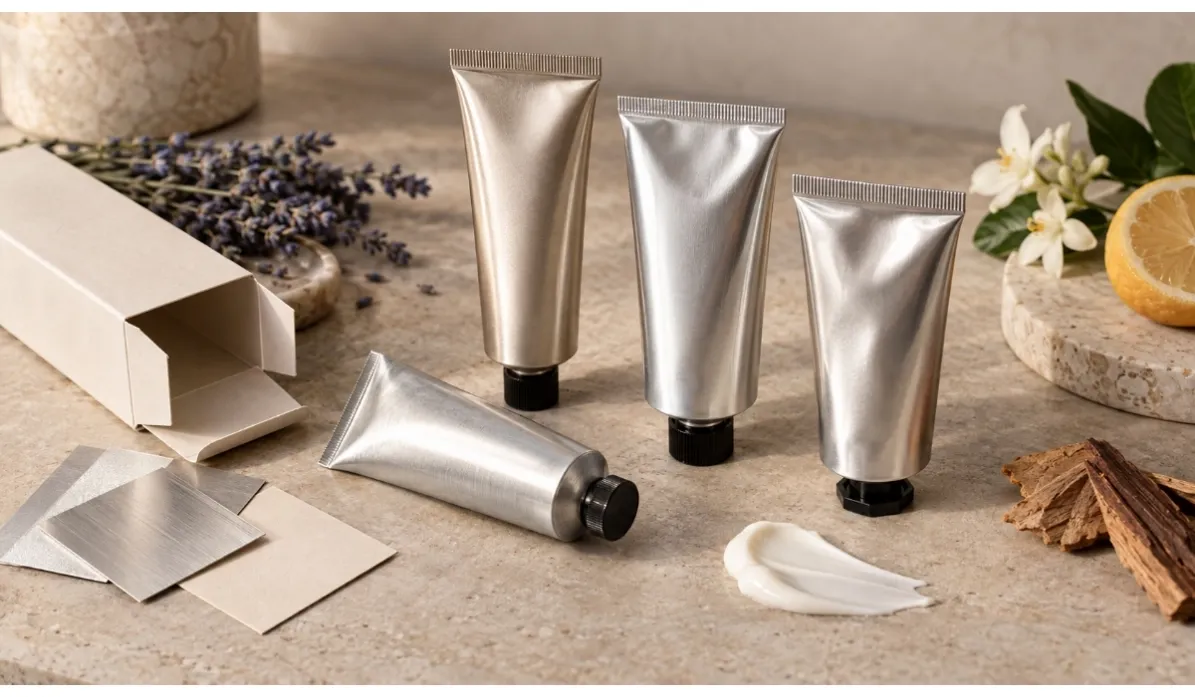
Want to launch 2,000–3,000 luxury hand creams per scent but face a 10,000-piece tube MOQ? See how staged filling and packaging inventory can make it workable.

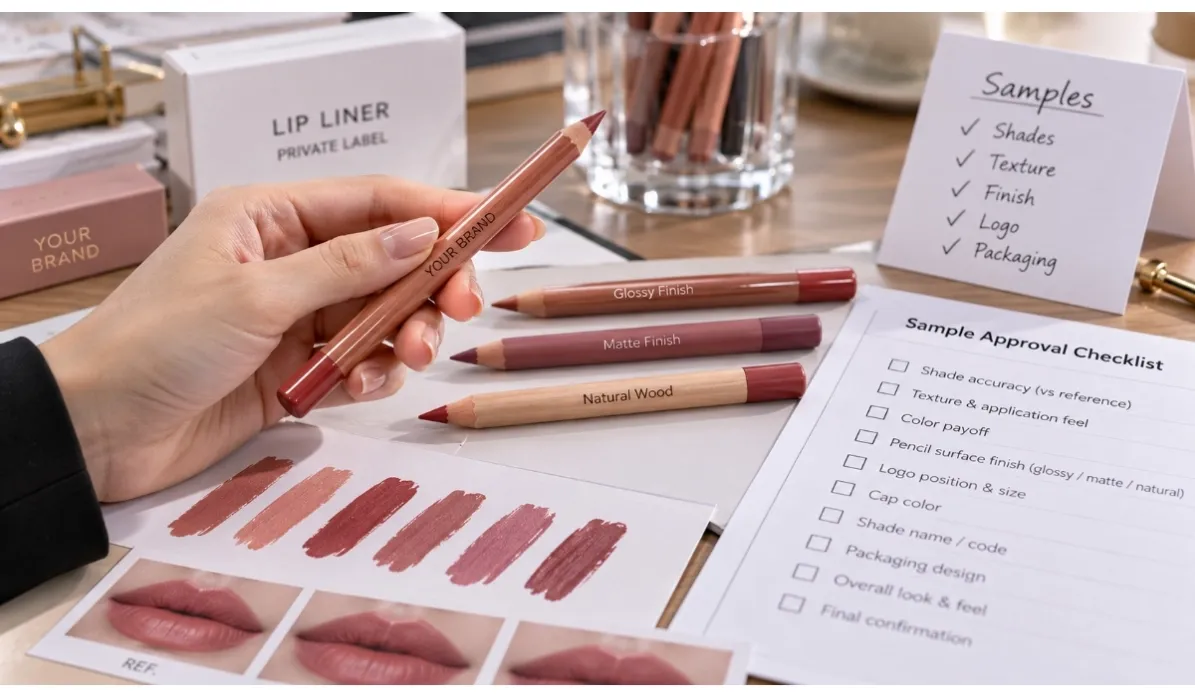
Before approving private label lip liner samples, check shade accuracy, texture, wooden pencil finish, logo and packaging to avoid changes during bulk production.

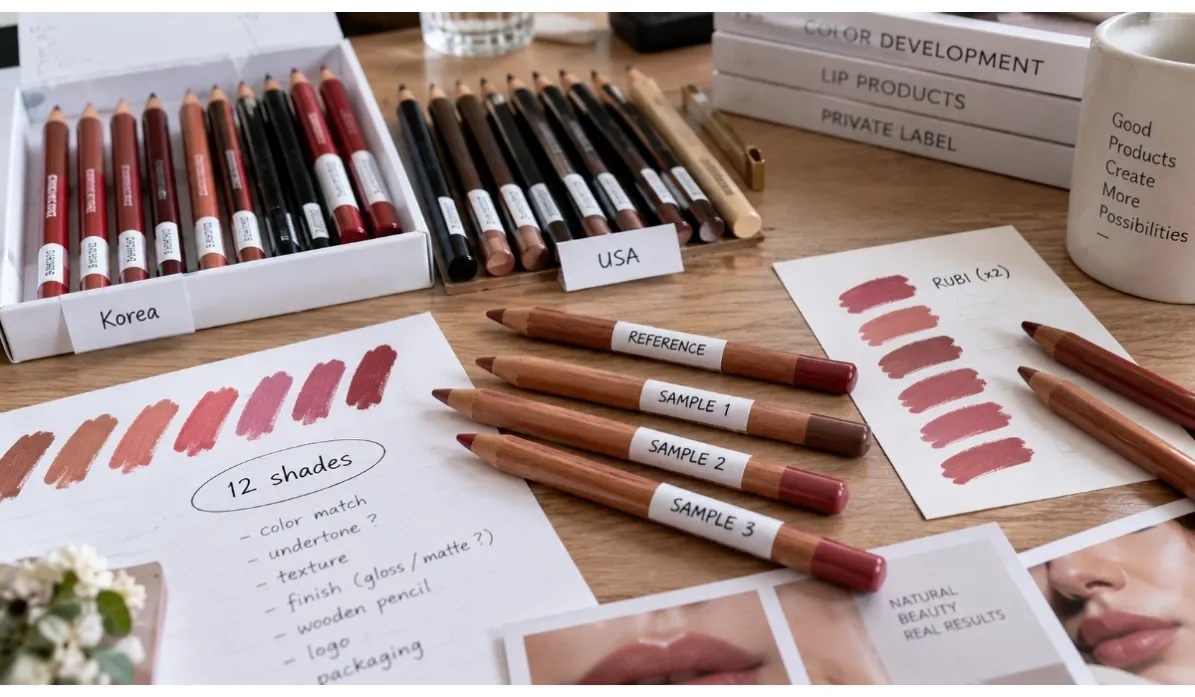
A real lip liner development case shows why physical shade references, undertone comparison and sample feedback matter more than photos when matching custom colors.

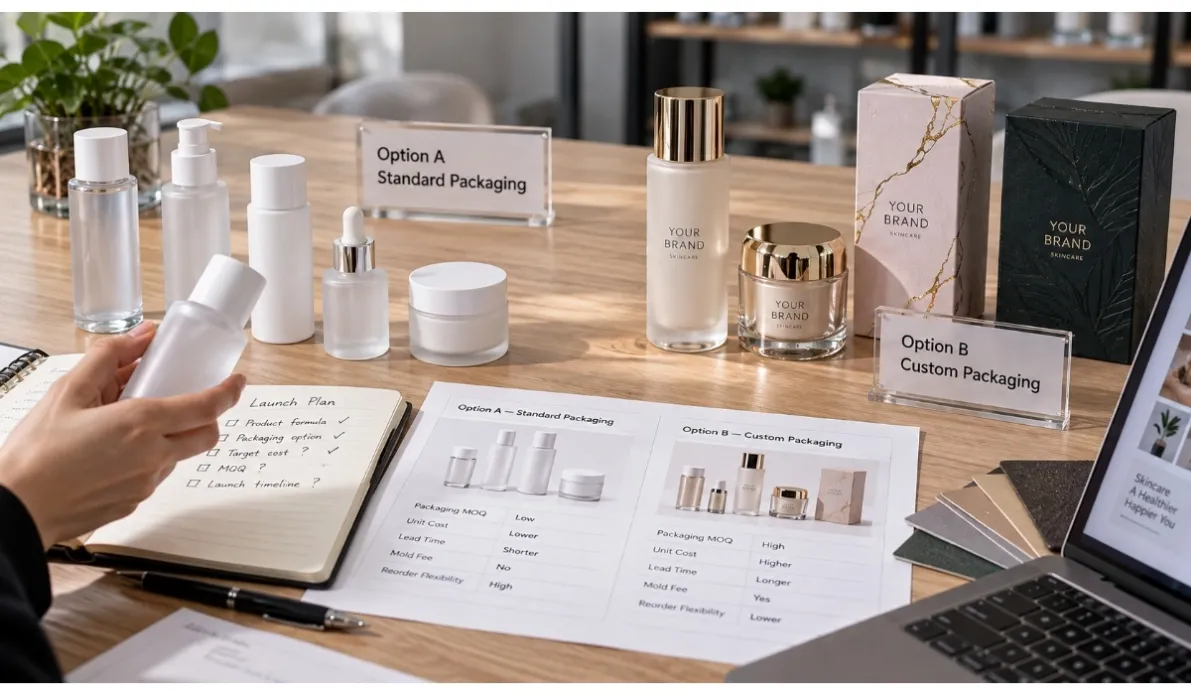
Learn why many beauty brands start with simpler skincare packaging to reduce MOQ, cost, lead time and inventory risk before scaling.

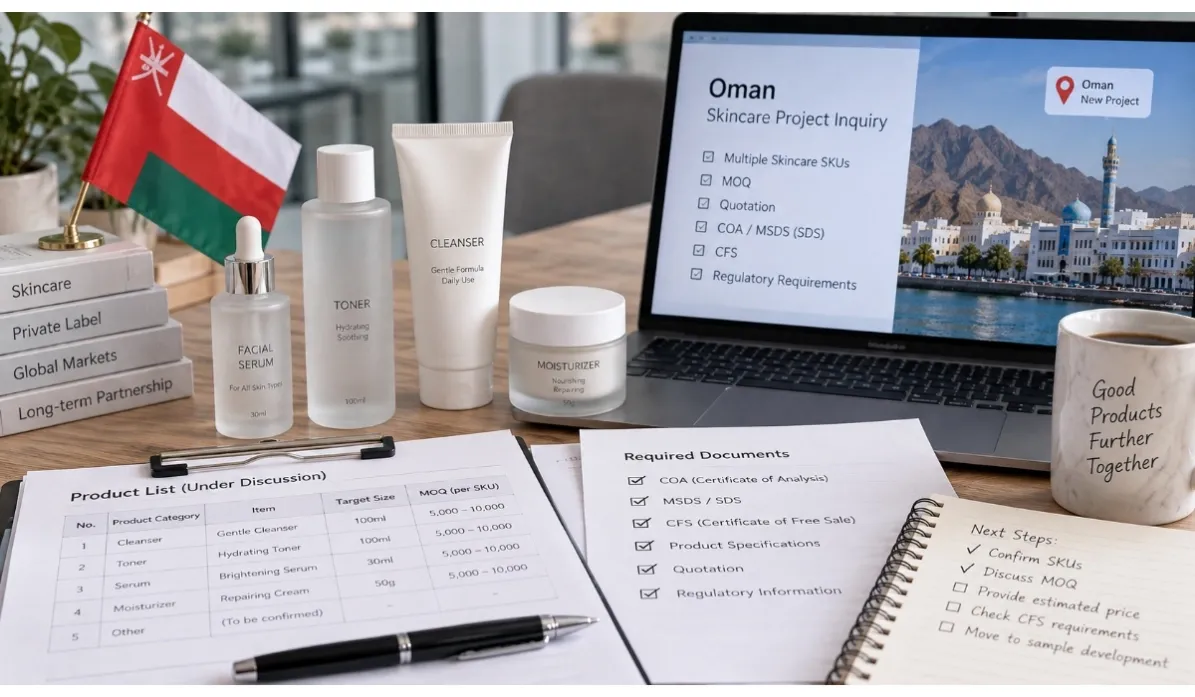
A real private label skincare inquiry from Oman shows why buyers should confirm MOQ, product specifications, pricing and CFS requirements before development.

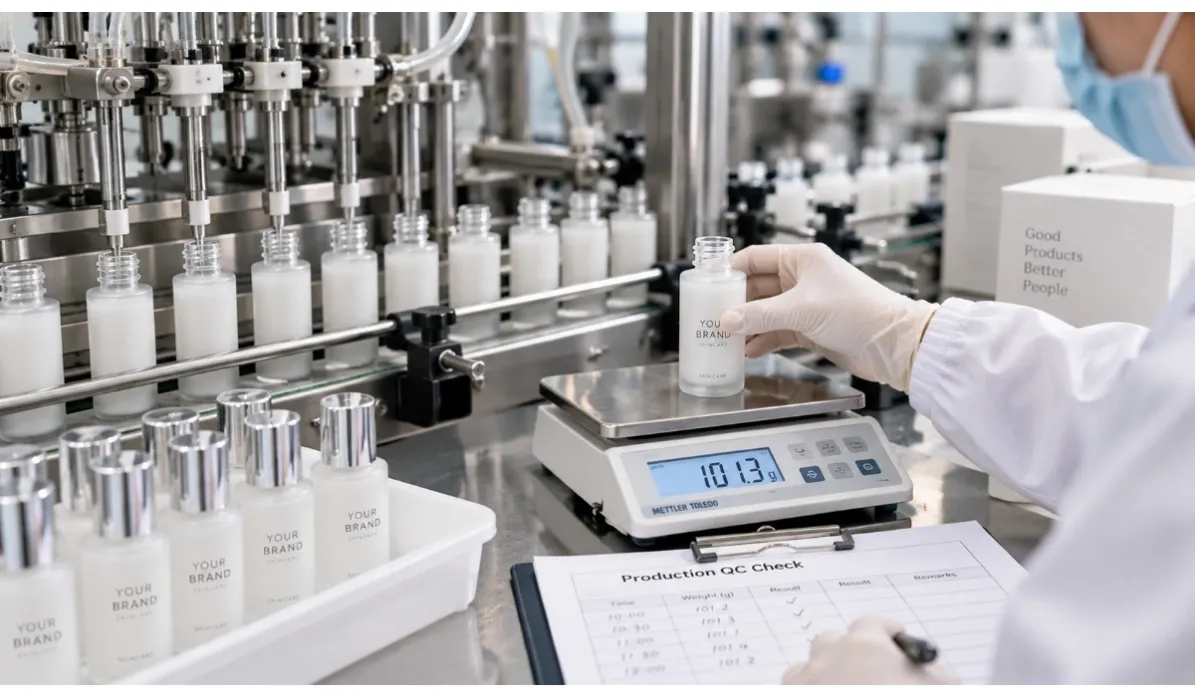
Learn why filling accuracy matters in skincare manufacturing and how it affects product consistency, cost control, customer experience and bulk production quality.

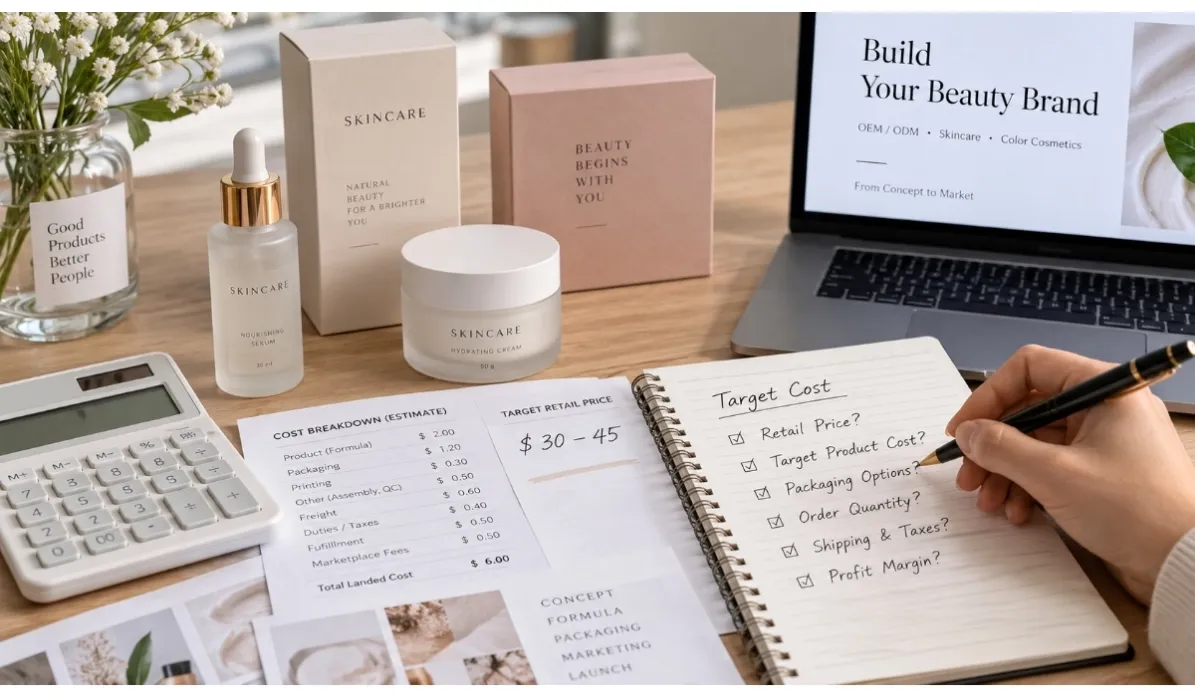
Before requesting an OEM skincare quote, learn how beauty brands can use retail price, packaging, formula and order quantity to set a realistic target product cost.

Choosing a private label skincare manufacturer? Learn what beauty brands should check before comparing MOQ, samples, formulas, packaging and production quotes.

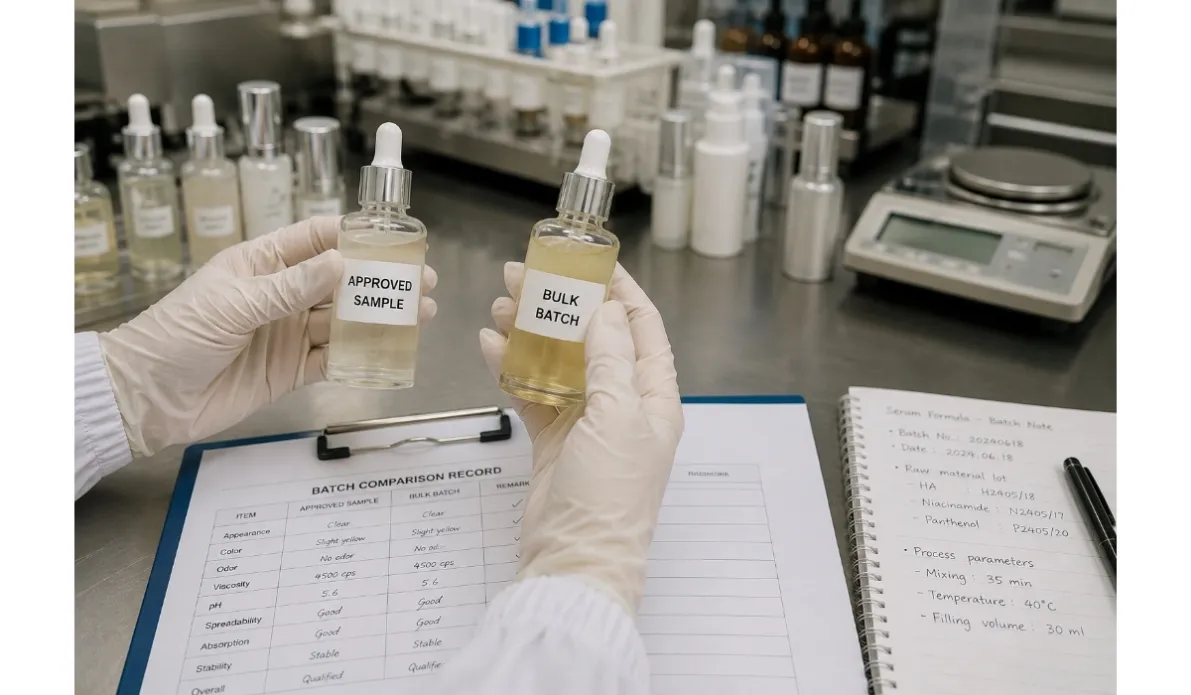
Approved your skincare sample? Learn why bulk production may show slight differences in color, viscosity or appearance and what beauty brands should confirm before production.