
Sep 28, 2026Success Stories / Case Studies
How to Develop Private Label Body Care Without Copying Competitors
A real OEM discussion shows how beauty brands can use fragrance trends as market references while developing original body care products.
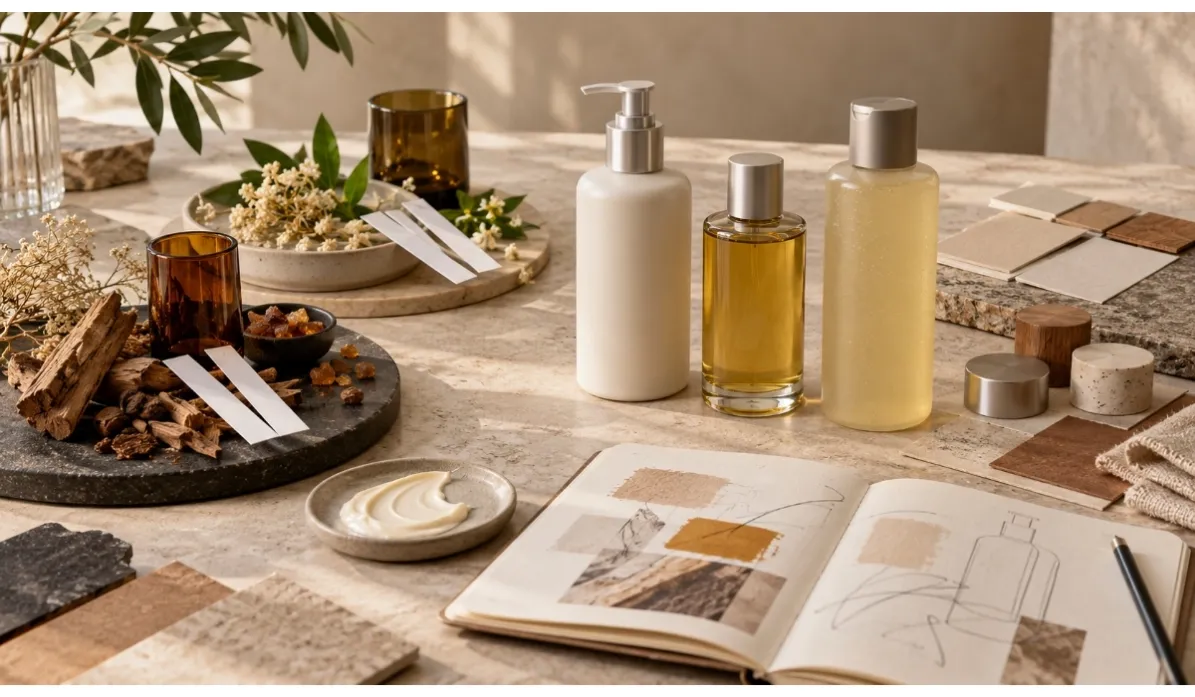
A recent conversation with a U.S. buyer raised an important product-development question.
The buyer was exploring a fragrance-led body care direction. A warm, woody Santal-style concept was relevant to the market they had in mind, and products such as body lotion, body oil and body wash appeared to offer a workable starting point.
However, the initial proposal created a concern: it looked too close to an existing brand already on the market.
The buyer was open to the category and fragrance direction, but did not want a copy of another company’s range.
The project had not yet reached the sample stage. That was useful. It allowed the positioning problem to be identified before money and time were spent developing formulas, fragrances and packaging around the wrong concept.
A Market Reference Is Not a Product Brief
Beauty buyers often send reference brands when discussing a new product line. These references help an OEM manufacturer understand the intended market level, fragrance family, texture, packaging style and approximate retail positioning.
But a reference should explain the commercial direction—not become a product specification to reproduce.
From a successful fragrance-led body care brand, a development team may study:
- the role of fragrance in the product range;
- how several products support fragrance layering;
- the balance between skincare benefits and sensory appeal;
- the number of products used to introduce a collection;
- the expected retail price and customer profile.
What should not be copied is the complete combination of fragrance, product naming, formula claims, packaging colors, bottle shapes and visual presentation.
When too many of these elements remain similar, changing the logo is not enough to create an original private label product.
“Santal” Is a Direction, Not a Finished Fragrance
A Santal-style concept usually points toward a warm woody fragrance family, but that still leaves considerable room for development.
The final fragrance could feel dry and modern, soft and creamy, warm and resinous, or cleaner and more understated. Its supporting notes, fragrance strength and dry-down can all change how the finished product is perceived.
The same fragrance also behaves differently across product formats. A scent used in a body wash may not perform exactly the same way in a lotion or body oil. The base formula, fragrance dosage and skin feel must therefore be considered together.
This is why the fragrance direction should be confirmed before the supplier begins making multiple samples. The objective is not to find the closest version of a competitor’s scent. It is to establish a fragrance identity that can work consistently across the buyer’s own collection.
Product Differentiation Must Go Beyond the Fragrance
Changing the fragrance alone does not necessarily create a distinctive product.
A body care range can also be differentiated through:
- absorption speed and after-feel;
- the balance between nourishment and lightweight application;
- visible glow or a non-shimmer finish;
- ingredient and benefit positioning;
- fragrance intensity and longevity;
- product format and dispensing method;
- packaging material, color and decoration;
- product naming and overall collection story.
For example, two body lotions may belong to the same woody fragrance family but deliver completely different experiences. One may be rich and cocooning, while another may be lightweight, fast-absorbing and designed for fragrance layering.
These decisions should come from the brand’s intended customer and retail position rather than from the competitor’s finished product.
Start With Three Core Products, Not a Complete Range
When a concept is still being evaluated, developing too many SKUs at once can make the direction less clear.
A more practical approach is to begin with three products that explain the collection:
- a daily body lotion that establishes the texture and skincare benefits;
- a complementary body oil or treatment product that adds a more sensorial element;
- a cleansing product that introduces the fragrance at the beginning of the routine.
This is only a development framework. The final selection should depend on the buyer’s sales channel, target price, existing assortment and intended customer.
Starting with a focused group also makes it easier to compare fragrance performance, packaging cost and minimum order quantities before expanding the collection.
Brands that are still deciding between a proven base and a newly developed formula can also review our guide to stock formulas and custom formulations.
The Right Next Step Is a Concept Brief, Not Immediate Sampling
After the buyer indicated that the first direction felt too close to another brand, the right response was not to continue adjusting the same proposal.
The project needed to step back.
Before preparing samples, the manufacturer should present two clearly differentiated creative routes. Each route should define:
- fragrance mood and positioning;
- proposed core products;
- formula texture and finish;
- key consumer benefit;
- packaging direction;
- target cost level;
- which elements would be customized.
The buyer can then select one direction or combine specific elements from both. Formula and fragrance samples should begin only after this framework is accepted.
This approach gives the laboratory a clearer brief and reduces the chance of repeatedly revising samples that were developed from an unclear commercial concept.
A Good OEM Partner Should Interpret, Not Imitate
A buyer may approach a manufacturer because they have seen a successful product or emerging fragrance trend. That is a normal part of product development.
The OEM manufacturer’s responsibility is to identify what makes the opportunity commercially relevant and translate it into something appropriate for the buyer’s own business.
That requires more than sending a catalogue or replacing a competitor’s logo. It requires decisions about the formula, fragrance, product structure, cost, packaging and customer experience.
The most valuable outcome from this particular discussion was not a finished sample. It was a clearer boundary:
The buyer was interested in the market direction, but the final products needed their own identity.
Establishing that boundary before sampling can save both sides significant development time.
For brands considering a fragrance-led body care collection, BEGO Beauty can support the project with body lotion formulations, fragrance customization, packaging selection and sample development.
Before requesting samples, it helps to confirm three points: the target customer, the intended price level and the elements that must make the range recognizably yours.